What Causes Sciatica? A Fort Worth Patient Guide
If you’ve ever felt a sharp, burning pain shoot from your lower back all the way down your leg, you already know how disruptive sciatica can be. It can make sitting at your desk uncomfortable, turn a short walk into a painful ordeal, and even disrupt your sleep. Here in Fort Worth, sciatica is one of the most common complaints Dr. Steve Sanders and the team at Cityview Chiropractic hear about — and one of the most misunderstood. Understanding what causes sciatica is the first step toward doing something about it. This guide is designed to give you clear, honest answers so you feel informed and empowered — not scared.
What causes sciatica? Sciatica occurs when the sciatic nerve — the longest nerve in your body — becomes compressed, irritated, or inflamed somewhere along its path from the lower spine down through the buttocks and into the leg. It is not a diagnosis in itself, but rather a symptom of an underlying spinal or musculoskeletal problem. Common causes include herniated discs, bone spurs, spinal stenosis, and muscle tightness in the piriformis, among others.
- What Is the Sciatic Nerve and Why Does It Matter?
- The Most Common Causes of Sciatica
- Signs and Symptoms: How Sciatica Actually Feels
- Risk Factors That Make Sciatica More Likely
- How Chiropractic Care Fits Into Sciatica Treatment
- Practical Tips to Manage and Prevent Sciatica
- When to See a Chiropractor for Sciatica
- Myths vs. Facts About Sciatica
- Final Thoughts from Cityview Chiropractic
What Is the Sciatic Nerve and Why Does It Matter?
The sciatic nerve is the largest and longest nerve in the human body. It originates from several nerve roots in the lower lumbar spine — roughly at the L4, L5, S1, S2, and S3 levels — and travels through the buttocks, down the back of each thigh, and all the way to the foot. Because it covers so much territory, when something goes wrong at the point of origin, you can feel pain, numbness, or tingling almost anywhere along that entire pathway.
Most people are surprised to learn that sciatica is not a condition — it’s a symptom. That’s an important distinction because it means the real question is always: what is causing the nerve to be irritated in the first place? Answering that question is exactly what allows Dr. Steve Sanders to create a care plan that actually addresses the root problem, rather than just masking the pain. If you want a deeper look at the nerve pathways involved, our article on the different types of sciatica and their common causes is a great resource to explore alongside this one.
The Most Common Causes of Sciatica
Because the sciatic nerve travels such a long distance and passes near so many different structures, there are several potential sources of compression or irritation. Here are the most common ones we see at Cityview Chiropractic.
Herniated or Bulging Discs
This is the most frequent culprit behind sciatic nerve pain. The discs in your spine act as cushions between your vertebrae. When a disc’s outer layer weakens or tears — due to repetitive strain, sudden injury, or gradual wear — the inner gel-like material can push outward and press against a nearby nerve root. When that nerve root is part of the sciatic nerve, pain radiates down the leg. You can learn more about this on our herniated disc treatment page.
Spinal Stenosis
Spinal stenosis refers to a narrowing of the spinal canal — the open space where the spinal cord and nerve roots pass through. As this space shrinks, nerves can become compressed. Stenosis is more common in adults over 50 and often develops gradually as part of the natural aging process. It can cause sciatica-like symptoms that worsen with prolonged standing or walking.
Bone Spurs
Also called osteophytes, bone spurs are small bony growths that can develop on the vertebrae as a response to joint degeneration or arthritis. When they form near a nerve root exit point, they can physically press on the sciatic nerve and trigger radiating leg pain. If you’re dealing with joint-related changes alongside sciatica, our arthritis treatment resources may also be useful.
Piriformis Syndrome
The piriformis is a small but powerful muscle located deep in the buttock. In many people, the sciatic nerve runs directly beneath it — and in some, it actually passes through the muscle itself. When the piriformis becomes tight, inflamed, or spasmed due to overuse or injury, it can compress the sciatic nerve and mimic classic sciatica symptoms. This type is sometimes called “false sciatica” because the compression is muscular rather than spinal, but the pain can feel identical.
Spondylolisthesis
This is a condition where one vertebra slips forward over the one below it. The resulting shift in alignment can compress nearby nerve roots, including those that form the sciatic nerve. Spondylolisthesis can be caused by stress fractures, degenerative disc disease, or developmental factors — and it’s something Dr. Steve Sanders evaluates carefully when assessing lower back pain that radiates into the leg.
Sacroiliac Joint Dysfunction
The sacroiliac (SI) joint connects your pelvis to your spine. When this joint becomes inflamed or moves improperly, it can irritate the L5 nerve root, producing pain that feels very much like sciatica. This is another reason why a thorough evaluation matters — the treatment for SI joint dysfunction differs meaningfully from treatment for a herniated disc, even when the symptoms feel similar.
Signs and Symptoms: How Sciatica Actually Feels
One of the hallmark features of sciatica is that it typically affects only one side of the body. The pain usually starts in the lower back or deep in the buttock and travels down one leg. Some people describe it as a sharp, shooting pain. Others feel a burning sensation, an electric jolt, or a persistent ache. Numbness and tingling along the back of the thigh, calf, or foot are also very common.
Pain can range from mildly annoying to genuinely debilitating. Many patients at Cityview Chiropractic in Fort Worth tell us their symptoms are worst when they sit for long periods — something that’s especially relevant in a city where many people commute or work desk jobs. If you’ve noticed your back pain gets worse after sitting, that pattern is worth paying close attention to. In more severe cases, sciatica can affect muscle strength in the leg, making it difficult to flex the foot or rise up on the toes.
It’s also worth noting that not all leg pain is sciatica. Conditions like hip pain, vascular issues, or referred pain from other joints can produce similar sensations. That’s why distinguishing the true cause matters — our article on sciatica vs. other causes of leg pain explores this in more detail.
Risk Factors That Make Sciatica More Likely
Sciatica doesn’t discriminate entirely, but certain factors do increase the likelihood of developing it. Age is one of the biggest — disc degeneration is a natural part of getting older, and the cumulative stress on the spine over decades raises the risk of nerve compression. Prolonged sitting, especially with poor posture, places significant stress on the lumbar discs and surrounding structures.
Excess body weight adds load to the spine and can accelerate disc wear. Occupations that involve repetitive twisting, heavy lifting, or driving for extended periods are also associated with higher sciatica risk. People who live a sedentary lifestyle may have weakened core muscles, which leaves the spine less supported and more vulnerable to injury. Pregnancy is another well-known risk factor — as the uterus expands, it can shift the pelvis and put pressure on the sciatic nerve, which is one reason prenatal chiropractic care is so valuable for many expectant mothers in Fort Worth.
How Chiropractic Care Fits Into Sciatica Treatment
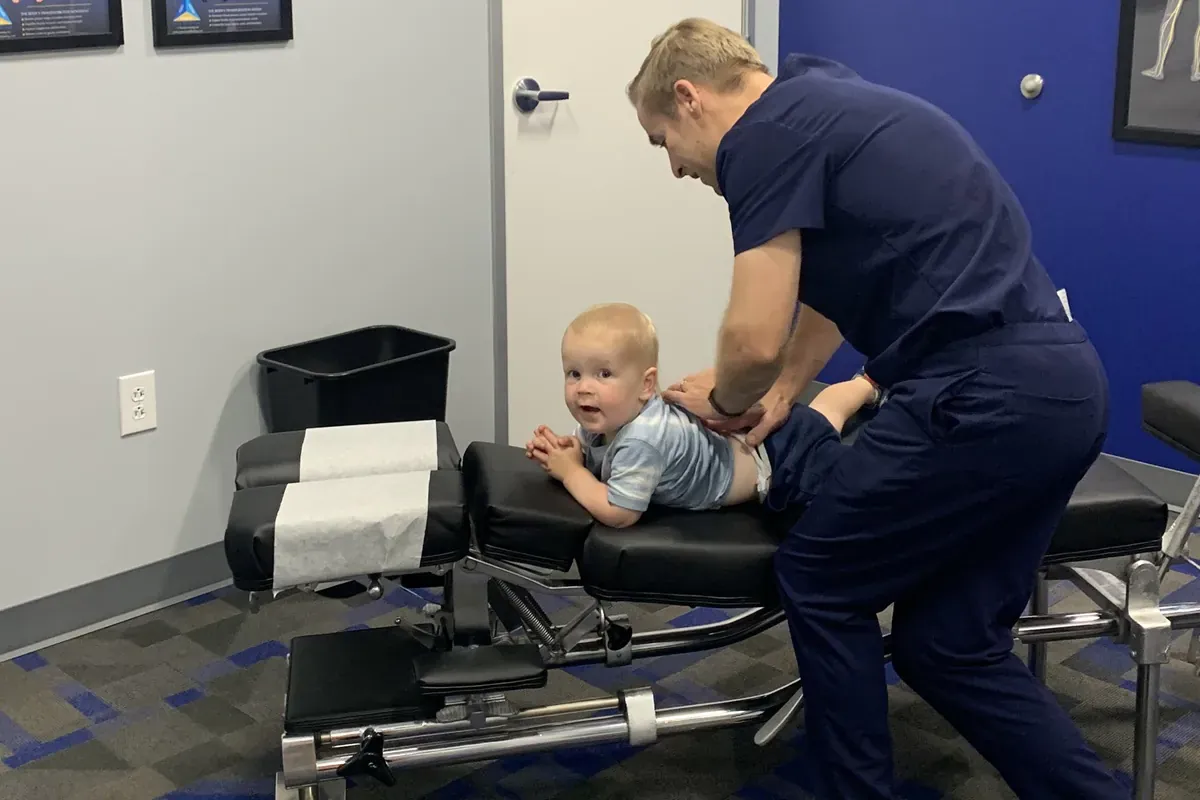
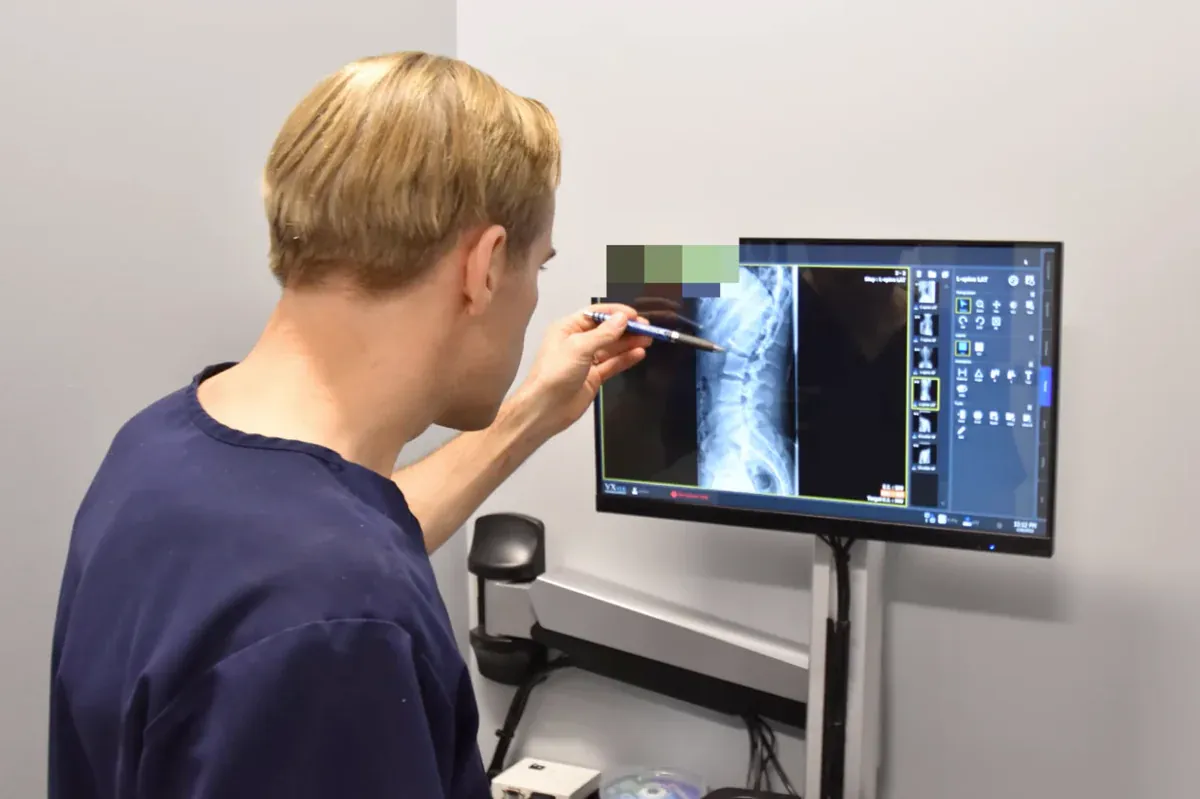
Chiropractic care approaches sciatica from a structural standpoint — meaning the goal is to identify and correct the underlying mechanical reason the sciatic nerve is being irritated, rather than simply suppressing the pain with medication. At Cityview Chiropractic, Dr. Steve Sanders begins with a thorough evaluation that includes reviewing your health history, performing orthopedic and neurological tests, and assessing your spinal alignment and range of motion.
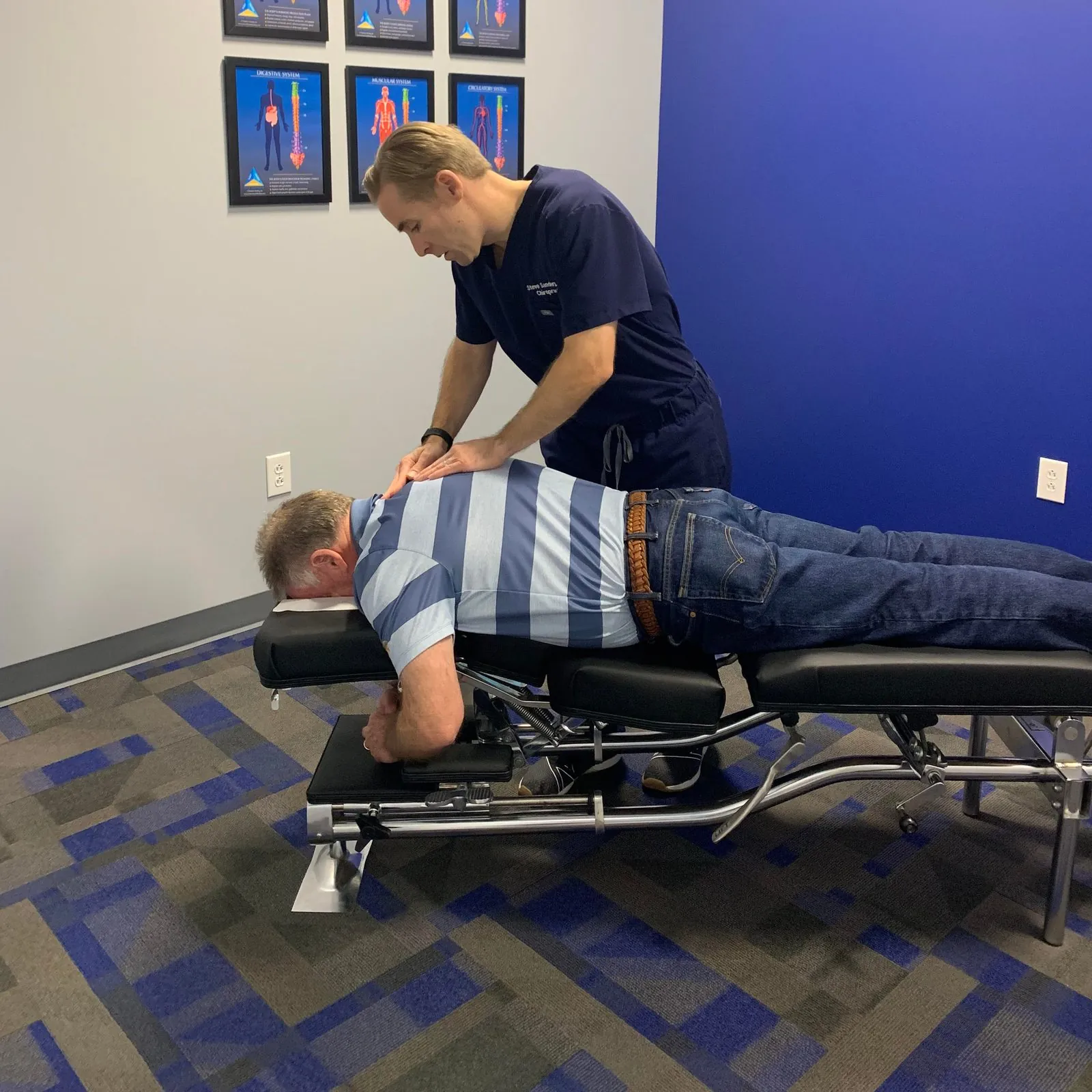
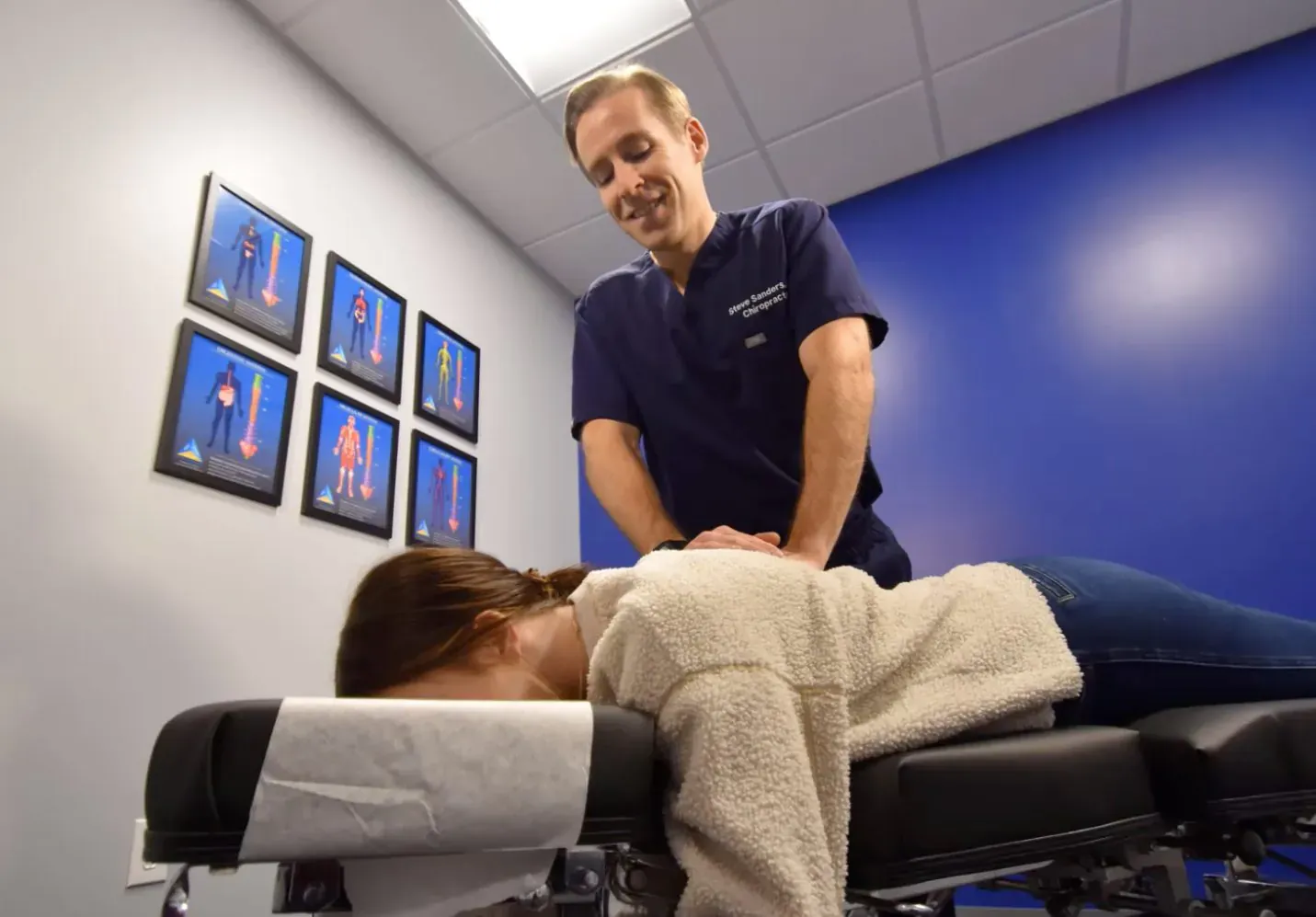
Spinal manipulation — or chiropractic adjustment — is one of the primary tools used to address misalignments in the lumbar spine and pelvis that may be contributing to nerve compression. Evidence from the National Center for Complementary and Integrative Health suggests that spinal manipulation may help reduce pain and improve function in patients with certain types of low back and radiating leg pain. Adjustments are gentle, targeted, and adapted to each patient’s specific condition and comfort level.
In addition to adjustments, Dr. Steve Sanders may incorporate spinal decompression therapy, which gently stretches the spine to relieve pressure on compressed discs and nerve roots. This is particularly beneficial for patients whose sciatica stems from herniated discs or spinal stenosis. You can read more about what to expect from that process in our guide on spinal decompression in Fort Worth.
Rehabilitation exercises, soft tissue therapy, and lifestyle guidance are also part of the picture. The goal at Cityview Chiropractic is not just short-term relief — it’s restoring function, improving your body mechanics, and reducing the chances of sciatica coming back. If you’re ready to explore your options, our sciatica treatment page lays out what that process looks like in more detail.
Practical Tips to Manage and Prevent Sciatica
While professional care is often necessary to fully address what causes sciatica, there are meaningful steps you can take at home to support your recovery and protect your spine going forward.

Posture is one of the most important factors. When sitting, make sure your lower back is supported, your feet are flat on the floor, and your hips are at roughly a 90-degree angle. Avoid crossing your legs, which can rotate the pelvis and add strain to the piriformis and SI joint. If you work at a desk, standing up and walking briefly every 30 to 45 minutes can significantly reduce disc pressure.
Gentle movement is generally better than complete rest. While it might feel intuitive to lie still when sciatica flares up, prolonged bed rest tends to worsen outcomes. Walking at a comfortable pace, gentle stretching of the hip flexors and piriformis, and core-strengthening exercises can all support recovery. That said, always check with a healthcare provider before starting any new exercise routine when you’re in active pain.
Sleep position also matters. Sleeping on your side with a pillow between your knees can take pressure off the lumbar spine and sciatic nerve. Avoid sleeping on your stomach, which tends to flatten the lumbar curve and increase strain on spinal structures.
When to See a Chiropractor for Sciatica
Many cases of sciatica do improve on their own within a few weeks, but that’s not always the case — and waiting too long can sometimes allow the underlying problem to worsen. It’s generally appropriate to seek professional care when sciatic pain has lasted more than one to two weeks, when pain is severe enough to affect your daily activities, or when symptoms include significant leg weakness or numbness.
Certain symptoms should prompt you to seek care immediately rather than wait. These include loss of bladder or bowel control, numbness in the groin or inner thighs (sometimes called “saddle anesthesia”), or progressive weakness in both legs. These can be signs of a serious spinal condition called cauda equina syndrome, which requires urgent medical evaluation — not chiropractic care.
For the vast majority of patients, though, chiropractic evaluation is a smart and safe starting point. Dr. Steve Sanders can help determine whether your symptoms are consistent with common sciatic nerve compression, and will refer you for imaging or to another provider if something more serious is suspected. You can also explore a broader look at your options through our back pain treatment guide for Fort Worth patients.
| Cause of Sciatica | Primary Mechanism | Most Common Population | Chiropractic Approach |
|---|---|---|---|
| Herniated Disc | Disc material presses on nerve root | Adults 30–50 | Spinal adjustment, decompression therapy |
| Spinal Stenosis | Narrowing of spinal canal compresses nerves | Adults 50+ | Gentle mobilization, decompression, posture training |
| Piriformis Syndrome | Muscle tightness compresses sciatic nerve in buttock | Active individuals, runners | Soft tissue therapy, stretching, SI joint adjustment |
| Spondylolisthesis | Vertebral slippage narrows nerve exit space | Young athletes, older adults | Stabilization exercises, spinal alignment care |
| SI Joint Dysfunction | Joint inflammation irritates L5 nerve root | Pregnant women, sedentary adults | Pelvic adjustment, soft tissue work |
| Bone Spurs | Bony growths press on nerve roots | Adults with arthritis or degeneration | Decompression, mobility restoration, lifestyle guidance |
Myths vs. Facts About Sciatica
Myth: Sciatica is always caused by a herniated disc.
Fact: While herniated discs are a leading cause, sciatica can also result from piriformis syndrome, spinal stenosis, bone spurs, sacroiliac joint dysfunction, and other structural issues. A proper evaluation is necessary to identify the actual source — and the treatment differs significantly depending on the cause.
Myth: You should rest completely until the pain goes away.
Fact: Extended bed rest is generally not recommended for sciatica. Evidence consistently suggests that gentle movement — walking, stretching, and light activity — supports recovery better than staying still. Complete inactivity can weaken the muscles that support your spine and actually prolong symptoms.
Myth: Sciatica only affects older people.
Fact: While age is a risk factor, sciatica can affect people of all ages. Young adults with herniated discs, athletes with piriformis syndrome, and pregnant women experiencing pelvic changes can all develop sciatic pain. At Cityview Chiropractic, Dr. Steve Sanders sees patients across a wide age range with this condition.
Myth: Surgery is usually necessary to fix sciatica.
Fact: The majority of sciatica cases resolve with conservative, non-surgical care. Guidelines from organizations like the American College of Physicians recommend conservative approaches — including chiropractic care, physical therapy, and exercise — as first-line treatment before considering surgical options. Surgery is typically reserved for severe or non-responsive cases.
Myth: If the leg pain goes away, the problem is solved.
Fact: Symptom resolution doesn’t always mean the underlying cause has been fully corrected. If the structural issue — like a misaligned vertebra, a weak core, or ongoing disc pressure — isn’t addressed, sciatica often returns. That’s why the care approach at Cityview Chiropractic focuses on long-term correction, not just short-term relief.
Final Thoughts from Cityview Chiropractic
Living with sciatica in Fort Worth doesn’t have to mean living with pain. Understanding what causes sciatica — whether it’s a herniated disc, spinal stenosis, a tight piriformis, or another structural issue — gives you the power to make informed decisions about your health. The good news is that most people with sciatica respond well to conservative, non-invasive care when it’s tailored to the actual source of their problem.
At Cityview Chiropractic, Dr. Steve Sanders is committed to helping Fort Worth residents understand what’s really going on with their spine and nervous system — and offering care that is thoughtful, evidence-informed, and genuinely focused on your long-term wellbeing. Whether you’ve been struggling with sciatica for years or you’re just starting to notice some familiar warning signs, our team is here to help you take the next step with confidence.
If you’re ready to learn more about your specific situation and what relief could look like for you, we encourage you to explore our sciatica treatment options in Fort Worth — or simply give us a call. You don’t have to figure this out alone.
Frequently Asked Questions About Sciatica
What does sciatica feel like?
Sciatica typically feels like a sharp, shooting, burning, or electric pain that starts in the lower back or buttock and travels down one leg. Numbness, tingling, or muscle weakness in the leg or foot are also common. Symptoms usually affect only one side of the body.
How long does sciatica usually last?
Mild cases of sciatica sometimes resolve within a few weeks with conservative care. More severe or chronic cases can persist for months if the underlying cause isn’t addressed. Seeking professional evaluation early generally leads to better outcomes.
Can a chiropractor really help with sciatica?
Research suggests that chiropractic care — including spinal manipulation and complementary therapies — can help reduce pain and improve function in many patients with sciatica. Results depend on the underlying cause, the severity of nerve compression, and how well the care plan fits the individual patient’s needs.
Is sciatica the same as a pinched nerve?
Sciatica is a specific type of pinched nerve situation involving the sciatic nerve. While the terms are sometimes used interchangeably, a pinched nerve can occur in any part of the spine, not just the lower back. Sciatica specifically refers to symptoms caused by compression or irritation of the sciatic nerve.
What makes sciatica worse?
Common aggravating factors include prolonged sitting, bending forward, coughing or sneezing, and certain sleeping positions. Activities that increase pressure on the lumbar discs or stretch the sciatic nerve without support tend to worsen symptoms.
Can sciatica come back after it improves?
Yes, sciatica can recur — especially if the underlying structural cause hasn’t been fully corrected or if contributing lifestyle factors (like poor posture, weak core muscles, or sedentary habits) aren’t addressed. A rehabilitation-focused care plan can meaningfully reduce the risk of recurrence.
TL;DR
- Sciatica is not a diagnosis — it’s a symptom of an irritated or compressed sciatic nerve, most often caused by herniated discs, spinal stenosis, piriformis syndrome, or SI joint dysfunction.
- Pain, numbness, or tingling that shoots down one leg is the hallmark sign; severity ranges from mild discomfort to seriously disabling pain.
- Risk factors include age, prolonged sitting, sedentary lifestyle, excess weight, and pregnancy.
- Chiropractic care — including spinal adjustments and decompression therapy — addresses the structural causes of sciatica rather than just suppressing symptoms.
- Most cases improve with conservative, non-surgical care; seek immediate medical attention if you experience loss of bladder/bowel control or progressive bilateral leg weakness.