Back Pain in Fort Worth: Treatment Options Explained
Back pain is one of the most common reasons people in Fort Worth seek medical care — and if you’re dealing with it right now, you’re far from alone. Whether it’s a dull ache that’s been nagging you for weeks or a sharp pain that stops you in your tracks, back pain can make even the simplest daily tasks feel exhausting. The good news is that there are real, effective treatment options available right here in Fort Worth that don’t require surgery or a lifetime of medication. Understanding what’s causing your pain and what your options are is the first step toward feeling like yourself again.
What is back pain, exactly?
Back pain refers to discomfort anywhere along the spine — from the base of the skull down to the tailbone — most commonly in the lower back. It may involve muscles, ligaments, joints, discs, or nerves, and can range from mild stiffness to severe, debilitating pain that limits your movement and quality of life.
- What Causes Back Pain?
- Types of Back Pain: Acute vs. Chronic
- How Chiropractic Care Addresses Back Pain
- Treatment Options Explained
- Practical Tips for Managing Back Pain Day-to-Day
- When to See a Chiropractor for Back Pain in Fort Worth
- Myths vs. Facts About Back Pain
- Final Thoughts from Cityview Chiropractic
- Frequently Asked Questions
- TL;DR Summary
What Causes Back Pain?
Back pain doesn’t have a single cause — it’s usually the result of one or more contributing factors working together over time. Here in Fort Worth, we see patients whose pain stems from everything from long hours at a desk job to physically demanding work in construction, warehousing, or healthcare. Understanding the root cause is critical, because the right treatment depends entirely on what’s actually driving your discomfort.

Some of the most common causes of back pain include muscle strain or ligament sprains from lifting, twisting, or sudden movements. These types of sprain and strain injuries are incredibly common and can affect anyone regardless of fitness level. Poor posture — especially from long hours sitting — is another major contributor. Research has consistently shown that prolonged sitting places significant compressive load on the lumbar spine, and for many people, this is a daily reality. If you’ve ever noticed your pain flares after a long day at your desk, you’re not imagining it. You can learn more about this pattern in our article on why your back pain gets worse after sitting and what actually helps.
Structural issues are also very common causes of back pain. A herniated disc occurs when the soft inner material of a spinal disc pushes out and presses on nearby nerves — often producing sharp or radiating pain. Conditions like sciatica, where the sciatic nerve becomes irritated or compressed, can cause pain that travels from the lower back all the way down the leg. Degenerative joint changes, arthritis, and even scoliosis can all contribute to ongoing back discomfort. And for Fort Worth residents who’ve been in a car accident, whiplash and spinal trauma can absolutely produce back pain that lingers for months if left unaddressed.
Types of Back Pain: Acute vs. Chronic
Not all back pain is the same, and distinguishing between acute and chronic pain matters when it comes to choosing the right treatment approach.
Acute back pain comes on suddenly and typically lasts less than six weeks. It often results from a specific injury — like lifting something heavy, a fall, or a car accident. While it can be intense, acute pain frequently responds well to conservative care when addressed promptly.
Chronic back pain is defined as pain lasting more than three months. It may develop gradually over time, or it may be the result of an acute injury that wasn’t properly treated and healed. Chronic pain often involves a combination of structural, muscular, and even neurological factors, which is why a thorough evaluation is so important before beginning treatment.
There’s also a middle ground — what clinicians sometimes call “subacute” pain — lasting between six weeks and three months. At any stage, the sooner you seek a proper evaluation, the better your chances of a full and lasting recovery.
How Chiropractic Care Addresses Back Pain
Chiropractic care is one of the most well-supported conservative treatment options for back pain. Organizations like the American College of Physicians (ACP) and the National Institutes of Health (NIH) have acknowledged spinal manipulation as an evidence-informed approach for managing low back pain, particularly as a first-line, non-drug option.
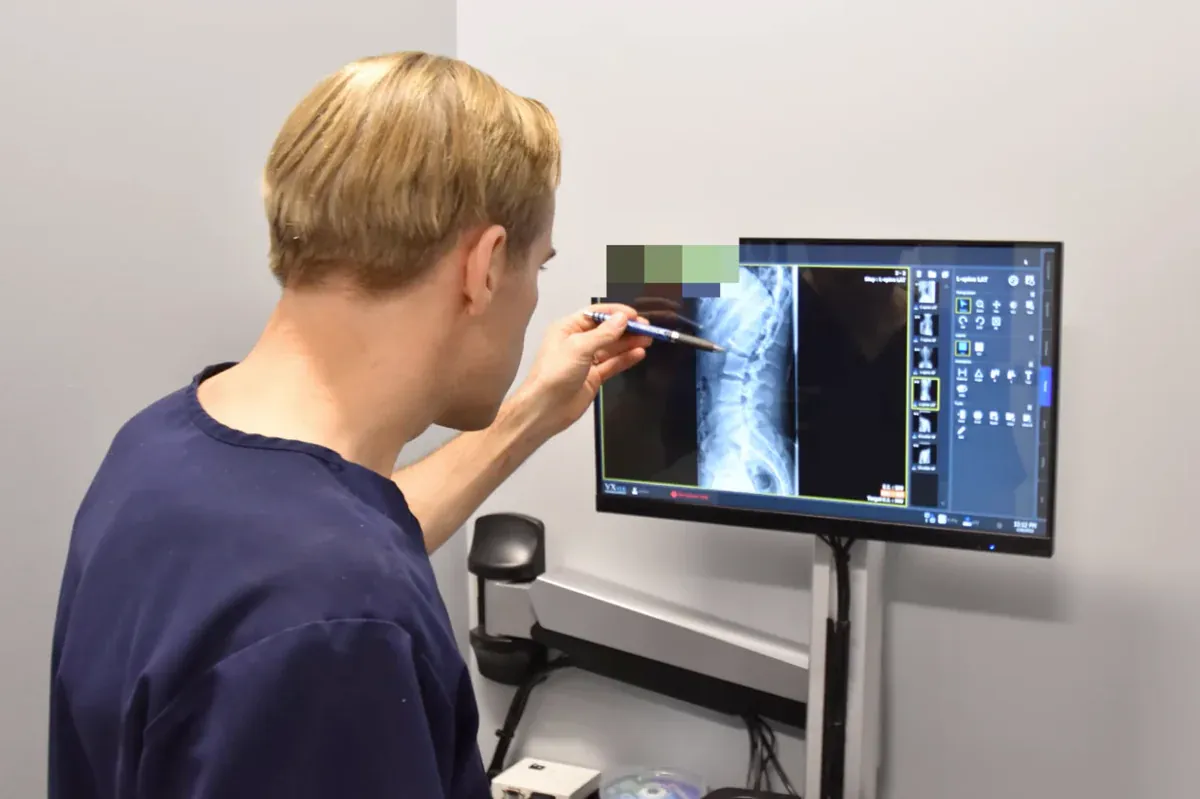
At Cityview Chiropractic in Fort Worth, Dr. Steve Sanders takes a thorough, individualized approach to evaluating and treating back pain. Rather than simply masking symptoms, the goal is to identify the underlying dysfunction — whether that’s joint restriction, muscle imbalance, nerve irritation, or disc involvement — and address it directly.
Chiropractic adjustments work by restoring proper movement and alignment to spinal joints that have become restricted or misaligned. When joints aren’t moving the way they should, surrounding muscles compensate, nerves can become irritated, and pain develops. By gently restoring motion and reducing nerve interference, chiropractic care gives the body the conditions it needs to heal naturally. This is especially important for Fort Worth patients dealing with back pain that hasn’t responded to rest alone.
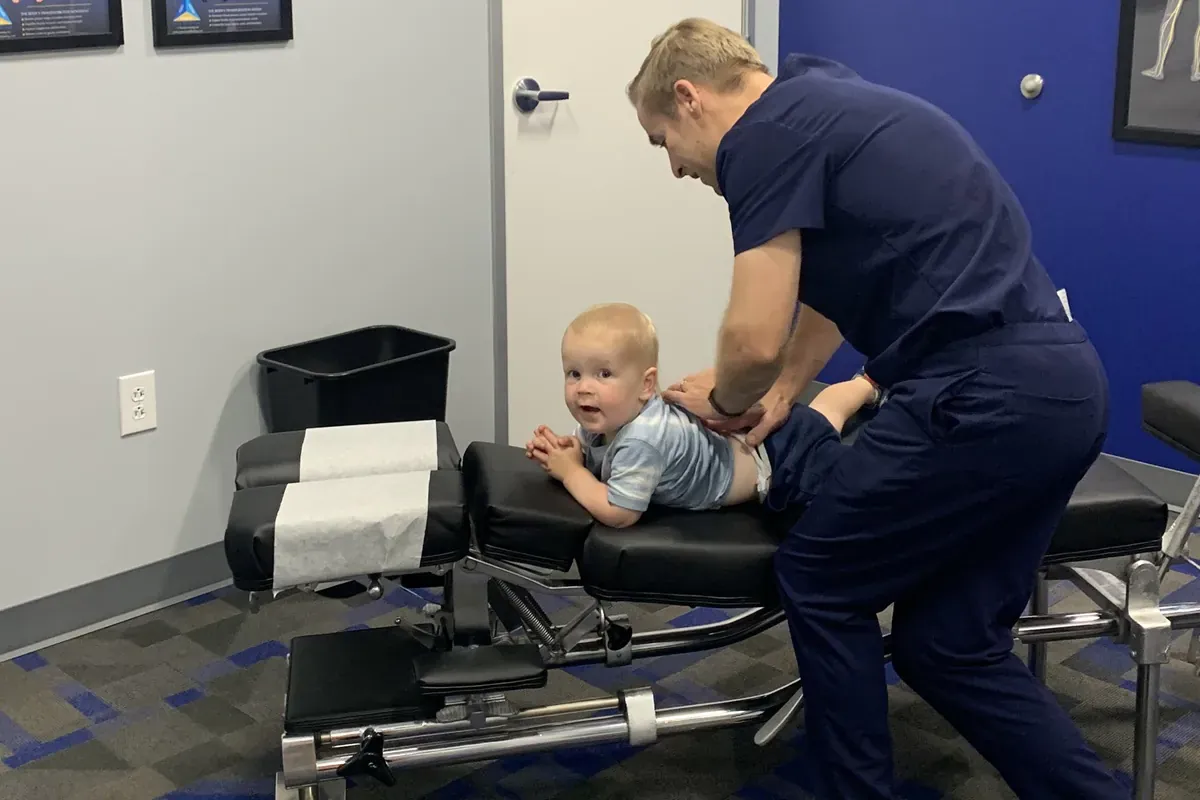
Chiropractic care is also highly adaptable. Dr. Steve Sanders can modify techniques based on your age, health history, and comfort level — making it appropriate for a wide range of patients, from young athletes to older adults managing degenerative changes.
Treatment Options Explained
One of the most important things to understand about back pain in Fort Worth is that you have options — and the best approach is often a combination of therapies tailored to your specific situation. Here’s a breakdown of what conservative, non-surgical care can look like.
Spinal Manipulation and Chiropractic Adjustments
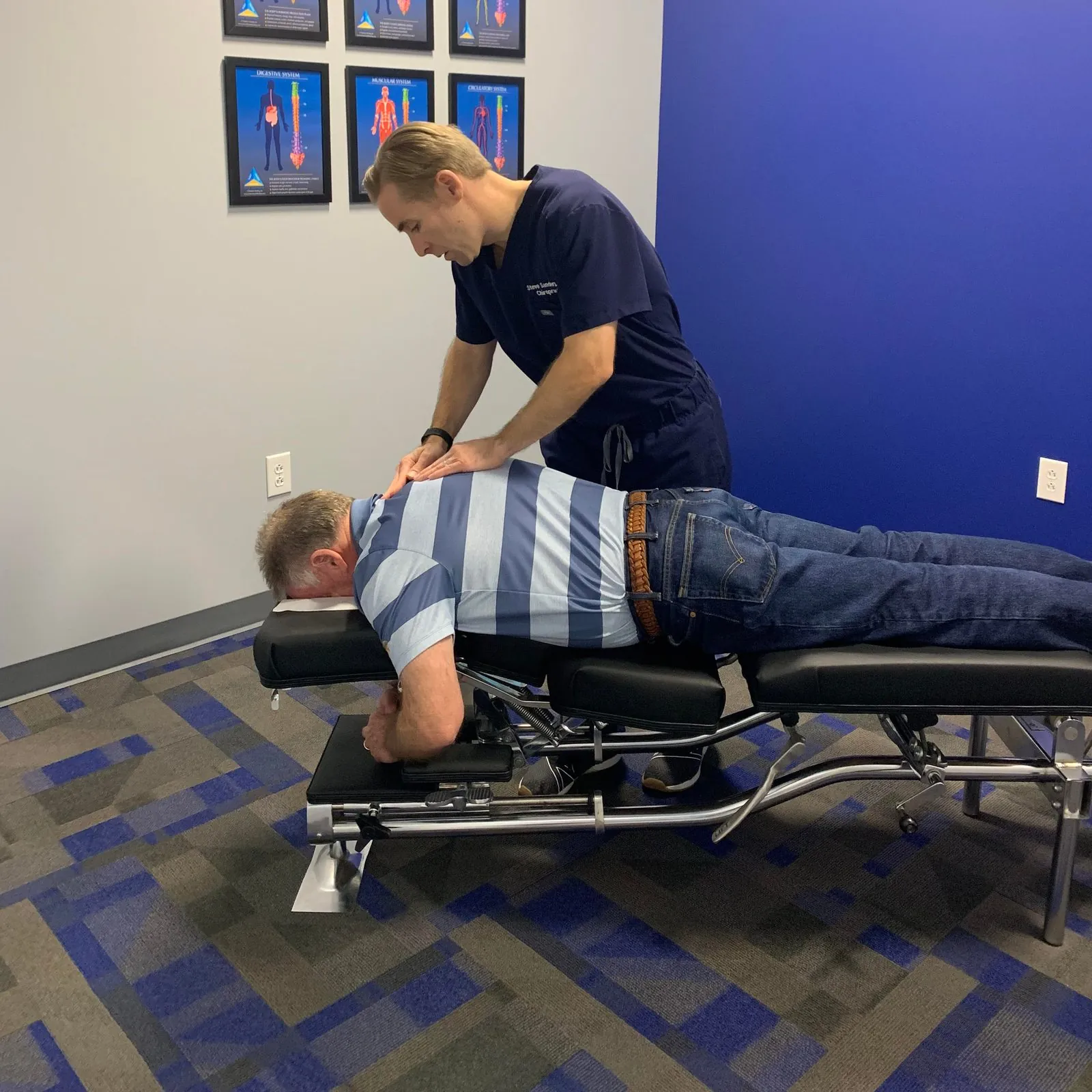
This is the cornerstone of chiropractic care. During an adjustment, Dr. Steve Sanders applies a controlled, precise force to a spinal joint to restore proper movement and reduce pain. Many patients notice improvement in mobility and a reduction in pain within a few visits. The chiropractic care services at Cityview Chiropractic are designed to address the full spine, not just the area of pain, because often the source of the problem isn’t exactly where you feel it.
Spinal Decompression Therapy
For patients dealing with disc-related back pain — such as a herniated or bulging disc, or degenerative disc disease — spinal decompression therapy can be a highly effective option. This non-surgical, traction-based treatment gently stretches the spine to reduce pressure on the discs and promote healing. If you’re curious about what this process involves, our detailed guide on spinal decompression in Fort Worth explains exactly what to expect.
Physical Therapy and Rehabilitation
Chiropractic care and physical therapy work exceptionally well together. While chiropractic adjustments address joint function and nerve health, physical therapy focuses on rebuilding strength, improving flexibility, and correcting the movement patterns that may have contributed to the injury in the first place. Together, these approaches address both the immediate pain and the long-term prevention of recurrence.
Wellness and Maintenance Care
Once your acute pain has been resolved, many patients in Fort Worth choose to continue with periodic wellness chiropractic care to maintain their progress, support overall spinal health, and prevent future flare-ups. This proactive approach is particularly valuable for people with physically demanding jobs or lifestyle habits that put repetitive stress on the spine.
Care for Specific Populations
Back pain doesn’t discriminate by age or circumstance. Pregnant women frequently experience significant low back pain as their center of gravity shifts, and prenatal chiropractic care offers a safe, gentle way to manage that discomfort throughout pregnancy. Athletes dealing with back pain related to sport-related strain or injury can benefit from sports chiropractic care that addresses biomechanical demands specific to their activity. Even patients recovering from car accidents often find that early chiropractic intervention helps address back pain and prevent chronic issues from developing.
Practical Tips for Managing Back Pain Day-to-Day
While professional care is important, there’s a lot you can do at home to support your recovery and protect your spine going forward. These tips are safe, practical, and grounded in well-established ergonomic and biomechanical principles.

First, pay attention to your sitting posture. If you work at a desk, make sure your feet are flat on the floor, your hips are at a roughly 90-degree angle, and your screen is at eye level. Slouching forward or craning your neck down toward a screen adds enormous cumulative stress to your spine over time.
Second, get up and move regularly. Sitting for extended periods compresses the spinal discs and tightens the hip flexors, both of which can contribute to low back pain. A short walk or a few gentle stretches every 30 to 60 minutes can make a meaningful difference. Your spine is designed for movement — it needs it to stay healthy.
Third, be mindful of how you lift. Always bend at the knees, keep the object close to your body, and avoid twisting while lifting. This applies whether you’re picking up a box at work or lifting a child at home.
Finally, prioritize sleep position. Sleeping on your side with a pillow between your knees, or on your back with a pillow under your knees, helps keep your spine in a more neutral alignment and reduces overnight stress on the lower back.
When to See a Chiropractor for Back Pain in Fort Worth
Many people wait too long before seeking care, hoping the pain will simply go away on its own. While some mild back pain does resolve with rest, pain that persists beyond a few days, interferes with your sleep or daily activities, or keeps coming back after brief improvement is a strong signal that something needs to be evaluated.
You should seek care promptly if your back pain is accompanied by numbness or tingling that radiates down your leg, as this may indicate nerve involvement — potentially sciatica or a disc issue. If you’ve been in a car accident and are experiencing back pain, even if it seems mild at first, early evaluation is strongly recommended.
There are also certain red flags that warrant immediate medical attention rather than chiropractic care as a first step. These include back pain following a significant trauma, pain accompanied by loss of bladder or bowel control, unexplained weight loss alongside back pain, or severe pain in someone with a known history of cancer or osteoporosis. Dr. Steve Sanders and the team at Cityview Chiropractic will always refer out when a situation requires a different level of care — your safety is the priority.
Back Pain Treatment Comparison
| Treatment Option | Best For | Invasive? | Addresses Root Cause? |
|---|---|---|---|
| Chiropractic Adjustments | Joint restriction, muscle tension, nerve irritation | No | Yes |
| Spinal Decompression | Disc herniation, degenerative disc disease | No | Yes |
| Physical Therapy | Rebuilding strength, correcting movement patterns | No | Yes |
| Pain Medication | Short-term symptom relief | No (oral) | No |
| Surgery | Severe structural damage (last resort) | Yes | Sometimes |
| Wellness/Maintenance Care | Long-term prevention and spinal health | No | Preventive |
Myths vs. Facts About Back Pain
Myth: Rest is the best treatment for back pain.
Fact: While short-term rest may help with acute injuries, prolonged bed rest has actually been shown to slow recovery from back pain. Gentle, controlled movement — and professional care to guide that movement — is generally more beneficial than extended inactivity.
Myth: Chiropractic adjustments are dangerous.
Fact: Chiropractic care is widely recognized as one of the safest forms of treatment for musculoskeletal conditions when performed by a licensed chiropractor. Serious adverse events are extremely rare, and for most forms of back pain, the risk-to-benefit ratio strongly favors conservative chiropractic care over surgical or pharmaceutical approaches.
Myth: If you see a chiropractor once, you’ll have to go forever.
Fact: The frequency and duration of care depends entirely on your condition, your goals, and how your body responds to treatment. Some patients need only a handful of visits for acute pain. Others choose ongoing wellness care — but that’s always a personal choice, not a requirement.
Myth: Back pain is just a normal part of getting older and can’t be helped.
Fact: While degenerative changes in the spine are a normal part of aging, pain is not something you simply have to accept. Many older adults in Fort Worth experience significant improvement in their back pain through chiropractic care, physical therapy, and lifestyle modifications — even when imaging shows age-related changes.
Myth: Surgery is the only solution for disc problems.
Fact: The vast majority of disc-related back pain cases respond well to conservative care. Evidence strongly supports trying non-surgical approaches — including chiropractic adjustments and spinal decompression — before considering surgery, except in cases involving serious nerve damage or structural instability.
Final Thoughts from Cityview Chiropractic
Back pain in Fort Worth is incredibly common, but that doesn’t mean you have to simply live with it. Whether your pain started last week or has been bothering you for years, there are real, evidence-informed treatment options available that don’t require surgery, don’t rely on long-term medication use, and are designed to address the actual cause of your discomfort.
At Cityview Chiropractic, Dr. Steve Sanders has built a practice around helping Fort Worth residents understand their bodies, reduce their pain, and build a foundation for lasting spinal health. The approach here is collaborative, patient-centered, and grounded in what actually works — not a one-size-fits-all protocol. From spinal adjustments and decompression therapy to physical rehabilitation and long-term wellness support, the goal is always to help you move better, feel better, and live better.
If you’re searching for back pain treatment in Fort Worth and want to start with a thorough, honest evaluation, Cityview Chiropractic is here for you. Our community deserves care that respects both their time and their health — and that’s exactly what we aim to provide, every single visit.
Frequently Asked Questions
How long does it take for back pain to improve with chiropractic care?
It varies based on the severity and cause of your pain. Some patients notice improvement after just a few visits, while others with chronic or complex conditions may need several weeks of consistent care. Dr. Steve Sanders will give you a realistic assessment after your initial evaluation.
Can chiropractic care help with herniated discs?
Yes — chiropractic adjustments and spinal decompression therapy are both commonly used for disc-related back pain and have a strong track record as conservative, non-surgical options. The approach is tailored to the severity and nature of the disc injury.
Is back pain after a car accident different from regular back pain?
It can be. Trauma from a car accident can cause injury to muscles, ligaments, and spinal joints that may not produce immediate pain but worsen over days or weeks. Early evaluation is important — you can learn more about this in our guide on car accidents and whiplash.
What’s the difference between back pain and sciatica?
Back pain is localized to the spine and surrounding muscles, while sciatica involves pain that radiates from the lower back down through the buttock and leg due to sciatic nerve irritation. If your pain travels down your leg, you may be dealing with sciatica — and it’s worth getting evaluated. Our article on sciatica vs. leg pain can help you understand the difference.
Is chiropractic care safe for older adults with back pain?
Yes. Dr. Steve Sanders adjusts techniques based on each patient’s age, bone density, and overall health. Chiropractic care can be very gentle and is often a preferred option for older adults looking to avoid medication side effects or invasive procedures.
Should I see a chiropractor or a medical doctor first for back pain?
For most cases of non-emergency back pain, seeing a chiropractor first is a reasonable and evidence-supported approach. Chiropractors are trained to evaluate back pain, identify red flags that require medical referral, and provide effective conservative care — making them an excellent first-line provider for musculoskeletal back pain.
TL;DR Summary
- Back pain in Fort Worth is extremely common and has many potential causes — from muscle strains and poor posture to disc injuries and nerve compression.
- Conservative, non-surgical treatments — including chiropractic adjustments, spinal decompression, and physical therapy — are highly effective for most types of back pain.
- Dr. Steve Sanders at Cityview Chiropractic offers individualized care designed to address the root cause of your pain, not just the symptoms.
- Simple daily habits — better posture, regular movement, and proper lifting technique — can significantly reduce your risk of recurring back pain.
- Don’t wait for back pain to get worse. If it’s been more than a few days, interferes with your daily life, or keeps coming back, it’s time to get evaluated.