Beyond Neck Pain: The Lasting Effects of Untreated Whiplash
If you’ve ever been in a rear-end collision or a sudden impact accident, you may have walked away thinking you were fine — only to wake up the next morning with a stiff neck and a dull ache that just won’t quit. That experience is incredibly common, and it points to one of the most misunderstood injuries in musculoskeletal health: whiplash. At Cityview Chiropractic in Fort Worth, TX, Dr. Steve Sanders sees patients regularly who brushed off their whiplash symptoms early on, only to find themselves dealing with far more complex problems months or even years later. This article is here to help you understand what untreated whiplash can actually do to your body — and why getting evaluated sooner rather than later truly matters.
What Is Whiplash, Exactly?
Whiplash is a soft tissue injury to the neck caused by a rapid, forceful back-and-forth movement of the head — similar to the cracking of a whip. It most commonly results from rear-end car accidents, but can also occur during sports collisions, falls, or any sudden impact. The injury affects the muscles, ligaments, tendons, and intervertebral discs of the cervical spine, and symptoms may not fully appear until 24 to 72 hours after the incident.
Why So Many People Ignore Whiplash After an Accident
Here in Fort Worth, TX, fender-benders and highway accidents happen every single day. After a collision, adrenaline floods the body almost instantly. That surge of adrenaline can mask pain so effectively that many people genuinely feel fine at the scene — and sometimes for hours afterward. This is one of the primary reasons untreated whiplash is so prevalent: people simply don’t realize how injured they are until the adrenaline wears off.
There’s also a cultural tendency to “tough it out.” Many patients who visit Dr. Steve Sanders at Cityview Chiropractic describe waiting days or even weeks before seeking care, assuming the discomfort would resolve on its own. For mild strains, that can sometimes be true. But whiplash frequently involves structural changes to the cervical spine — micro-tears in soft tissue, disc compression, and shifts in spinal alignment — that don’t simply heal without proper intervention.
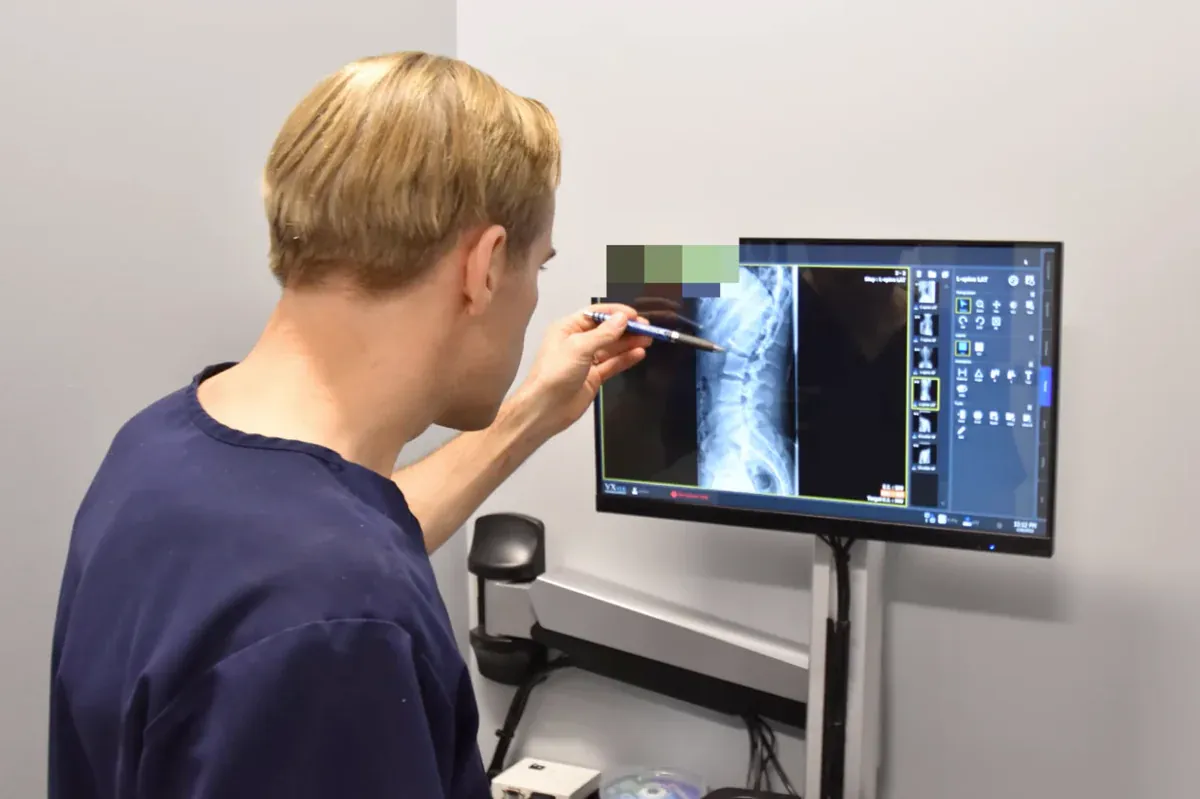
Additionally, without an obvious broken bone on an X-ray, it’s easy for someone to feel dismissed or to dismiss themselves. The soft tissue damage from whiplash doesn’t always show up on standard imaging, which doesn’t mean the injury isn’t real or significant. It simply means it requires a thorough clinical evaluation to properly identify and treat.
The Lasting Effects of Untreated Whiplash
This is where things get important. Whiplash is commonly thought of as just neck pain — temporary soreness that fades in a week or two. But when whiplash goes unaddressed, it can evolve into a much broader and more disruptive set of problems. Understanding these potential consequences is crucial for anyone who has experienced a sudden impact injury.
Chronic Neck Pain and Reduced Range of Motion
The most direct consequence of untreated whiplash is the transition from acute neck pain to chronic neck pain. When the muscles, ligaments, and cervical joints don’t heal properly, scar tissue can form, and the surrounding tissues adapt to compensate — often in ways that create lasting stiffness and reduced mobility. Patients frequently report difficulty turning their head fully while driving, something that becomes both a safety concern and a daily frustration.
Persistent Headaches
Cervicogenic headaches — headaches that originate from structures in the neck — are a common long-term consequence of whiplash. The irritated joints and tight muscles in the cervical spine can refer pain upward into the base of the skull, temples, and forehead. These headaches are often misidentified as tension headaches or migraines, leading people to rely on over-the-counter pain medications for years without addressing the actual source of the problem.
Upper Back and Shoulder Pain
The force of a whiplash injury doesn’t stay contained to the neck. The upper trapezius, rhomboids, and shoulder girdle muscles are all closely interconnected with the cervical spine. When the neck is injured, compensatory muscle tension spreads into the upper back and shoulders. Over time, this compensation pattern can lead to its own set of dysfunctions, including muscle imbalances and postural changes that affect your entire spine.
Jaw Pain and TMJ Dysfunction
One of the less-discussed consequences of whiplash is temporomandibular joint (TMJ) dysfunction. The sudden jolt that affects the neck can also stress the jaw joint, particularly if the head was turned at the moment of impact. Patients sometimes develop clicking, popping, or pain in the jaw — problems they never connect back to their accident because the onset can be delayed by weeks or months.
Cognitive and Neurological Symptoms
When whiplash is severe or left untreated, some individuals experience symptoms that go well beyond musculoskeletal discomfort. Brain fog, difficulty concentrating, memory issues, sleep disturbances, and even mood changes have been associated with chronic whiplash-associated disorder (WAD). These symptoms are thought to relate to nervous system sensitization and, in some cases, mild concussive forces that occurred alongside the neck injury. This is why a comprehensive evaluation — not just a brief check for obvious damage — is so essential after any significant impact.
How Chiropractic Care Fits Into Whiplash Recovery
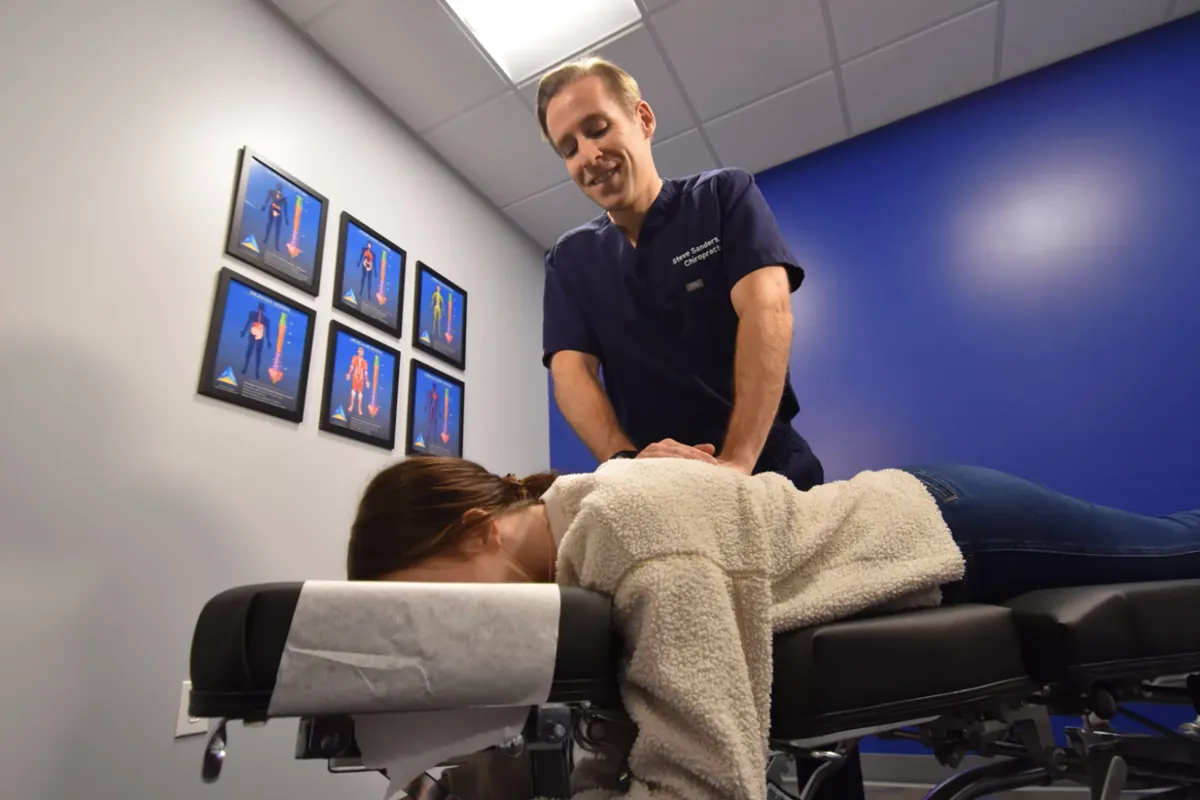
Chiropractic care is one of the most well-established conservative, non-invasive approaches for managing whiplash injuries. Guidelines from organizations like the National Institute for Health and Care Excellence (NICE) and the American Chiropractic Association (ACA) recognize manual therapy and exercise-based approaches as appropriate care options for whiplash-associated disorders. The goal isn’t just pain relief — it’s restoring proper function to the spine and nervous system.
At Cityview Chiropractic in Fort Worth, Dr. Steve Sanders takes a thorough, individualized approach with every whiplash patient. This starts with a detailed intake process — understanding the mechanism of injury, the timeline of symptoms, and any related complaints like headaches, jaw pain, or upper back tension. From there, a physical evaluation assesses cervical range of motion, joint mobility, muscle tone, and neurological function to build a complete picture of how the injury has affected your body.
Chiropractic adjustments for whiplash focus on restoring normal joint motion in the cervical and upper thoracic spine — areas that commonly become hypomobile (restricted) following trauma. When joints move freely, the surrounding muscles can relax, nerve irritation decreases, and the body’s own healing mechanisms work more efficiently. Depending on your specific presentation, care may also include soft tissue work, rehabilitative exercises, and postural retraining to support long-term recovery.
One important thing Dr. Steve Sanders emphasizes is that whiplash recovery is not a one-size-fits-all process. The severity of the injury, the patient’s overall health, how much time has passed since the accident, and what compensatory patterns have already developed all influence what care looks like and how long recovery takes. The sooner you seek evaluation, the more straightforward the recovery path tends to be.
Practical Tips to Support Your Recovery
While professional care is the cornerstone of whiplash recovery, there are things you can do at home to support your healing process. These aren’t substitutes for evaluation — they’re complements to it.
Gentle movement is generally better than complete rest. Staying totally still for extended periods can cause the injured soft tissues to stiffen and scar tissue to accumulate more rapidly. Light, pain-free movement of the neck — such as slow, gentle range-of-motion exercises recommended by your provider — helps maintain circulation and tissue flexibility during recovery.
Pay attention to your sleeping position. Sleeping on your stomach puts significant rotational stress on the cervical spine, which is particularly problematic when those structures are already injured. A supportive pillow that keeps your neck in a neutral position while side or back sleeping can make a meaningful difference in how you feel each morning.
Be mindful of your posture, especially if you work at a desk or spend long hours on a computer. Forward head posture — where the head drifts forward of the shoulders — dramatically increases the mechanical load on the cervical spine. After a whiplash injury, this posture can significantly aggravate symptoms and slow healing. Consider setting up ergonomic reminders and taking regular movement breaks throughout your workday.
When to See a Chiropractor for Whiplash
The honest answer is: as soon as possible after the injury. Research suggests that early intervention in whiplash cases is associated with better outcomes. Waiting weeks or months for symptoms to “go away on their own” allows compensation patterns and structural changes to become more entrenched, making recovery more complex.
You should seek evaluation if you experience any of the following after a car accident or sudden impact: neck pain or stiffness, headaches beginning at the base of the skull, shoulder or upper back tension, jaw discomfort, dizziness, or difficulty with concentration or sleep. Even if your symptoms feel mild, a professional assessment helps rule out more serious injuries and gets you on a clear path forward.
There are also red flags that warrant immediate medical attention rather than chiropractic care first. If you experience severe neurological symptoms — such as significant arm weakness, loss of bowel or bladder control, or sudden severe headache unlike any you’ve had before — go to an emergency room. Dr. Steve Sanders and the team at Cityview Chiropractic in Fort Worth will always refer patients to the appropriate level of care when a situation calls for it. Your safety is the priority, always.
Whiplash Symptom | Common Cause / Mechanism | Potential Long-Term Effect if Untreated |
|---|---|---|
Neck Pain & Stiffness | Soft tissue micro-tears, joint restriction | Chronic neck pain, reduced range of motion |
Headaches | Cervical joint irritation, muscle tension | Chronic cervicogenic or tension-type headaches |
Upper Back / Shoulder Pain | Compensatory muscle tension spreading from cervical injury | Postural dysfunction, muscle imbalances |
Jaw Pain / Clicking | Force transmitted to the TMJ during impact | Chronic TMJ dysfunction, bite issues |
Brain Fog / Cognitive Symptoms | Nervous system sensitization, possible concussive forces | Chronic whiplash-associated disorder (WAD) |
Dizziness | Disruption to cervical proprioception, inner ear stress | Ongoing balance difficulties, chronic dizziness |
Myths vs. Facts About Whiplash
Myth: “If I didn’t have immediate pain, I wasn’t seriously injured.”
Fact: Adrenaline released during and after an accident can suppress pain signals for hours. Many whiplash injuries don’t produce peak symptoms until 24 to 72 hours after impact. A lack of immediate pain is not a reliable indicator of injury severity.
Myth: “Whiplash only happens in high-speed accidents.”
Fact: Research indicates that significant cervical soft tissue injuries can occur even in low-speed collisions. The mechanics of force transfer — not just the speed of the vehicle — determine the injury potential. Rear-end impacts at even 10 to 15 mph can produce meaningful whiplash forces.
Myth: “Whiplash is just neck pain — it goes away on its own.”
Fact: While some mild cases do resolve with time, a meaningful portion of untreated whiplash patients develop chronic symptoms. These can include persistent headaches, ongoing neck and upper back pain, and neurological symptoms that can last for months or years without proper care.
Myth: “Chiropractic adjustments aren’t safe for whiplash injuries.”
Fact: Chiropractic care is widely recognized as a safe and appropriate conservative option for whiplash-associated disorders. A skilled chiropractor evaluates each patient individually and adapts techniques based on the nature and severity of the injury. Gentle, specific adjustments support healing rather than aggravating it.
Myth: “An X-ray that looks normal means nothing is wrong.”
Fact: Standard X-rays show bone structures but do not visualize soft tissues like muscles, ligaments, or intervertebral discs. The soft tissue injuries that define whiplash are real and clinically significant even when X-rays appear normal. A thorough physical and clinical examination is necessary to accurately assess the injury.
Final Thoughts From Cityview Chiropractic in Fort Worth
Whiplash is not a minor inconvenience to be pushed through. It’s a genuine injury to the structures that support one of the most vital and mobile regions of your body — your neck and upper spine. When it’s addressed promptly and properly, the outlook is genuinely good. When it’s ignored, the effects have a way of quietly compounding into something much harder to manage.
At Cityview Chiropractic in Fort Worth, TX, Dr. Steve Sanders is committed to helping members of the Fort Worth community understand their injuries, feel less anxious about their recovery, and get back to the lives they love. Whether you’re dealing with fresh symptoms from a recent accident or you’re starting to suspect that old neck pain stems from an injury that was never properly treated, you deserve a thorough evaluation and a clear path forward.
You don’t have to just live with it. Compassionate, conservative care is available right here in your community — and it starts with understanding what’s really going on in your body.
Frequently Asked Questions About Whiplash
How long does it take for whiplash symptoms to appear?
Whiplash symptoms often begin within 24 to 72 hours after the injury. In some cases, the full extent of symptoms may not become apparent for several days, which is why it’s important not to assume you’re fine immediately after an accident.
Can whiplash cause long-term nerve damage?
In more significant cases, whiplash can irritate or compress cervical nerve roots, leading to symptoms like numbness, tingling, or weakness in the arms. While this doesn’t always mean permanent nerve damage, these symptoms should be evaluated promptly to determine the appropriate course of care.
Is chiropractic care appropriate immediately after a whiplash injury?
In most cases, yes — early chiropractic evaluation is beneficial. A chiropractor will assess the nature and severity of your injury before beginning any hands-on treatment and will adjust their approach accordingly. Very acute or severe cases may require imaging or referral prior to treatment.
What’s the difference between acute and chronic whiplash?
Acute whiplash refers to symptoms present in the first few weeks following an injury. Chronic whiplash — sometimes called whiplash-associated disorder (WAD) — is when symptoms persist beyond three months. Chronic cases are more complex to treat, which is why early intervention is strongly encouraged.
Can whiplash affect my mental health?
Yes. Beyond physical symptoms, untreated or severe whiplash has been associated with anxiety, sleep disruption, and difficulty concentrating. These effects are real and recognized within the clinical literature on whiplash-associated disorder. Addressing the physical injury often supports improvement in these associated symptoms as well.
How many chiropractic visits does whiplash recovery typically require?
Recovery timelines vary widely based on the severity of the injury, the patient’s overall health, and how much time has passed since the accident. Dr. Steve Sanders at Cityview Chiropractic creates individualized care plans rather than using a one-size-fits-all approach — your progress guides your treatment.
TL;DR — Key Takeaways
Whiplash is a soft tissue injury caused by sudden cervical hyperextension-hyperflexion, and symptoms may not peak until days after the injury.
Untreated whiplash can lead to chronic neck pain, persistent headaches, upper back dysfunction, jaw problems, and even cognitive symptoms.
Chiropractic care offers a conservative, non-invasive approach to whiplash recovery that addresses the root cause — not just the pain.
Early evaluation and treatment are associated with better outcomes; don’t wait for symptoms to worsen before seeking care.
Dr. Steve Sanders at Cityview Chiropractic in Fort Worth, TX provides individualized care for whiplash patients in the local community.